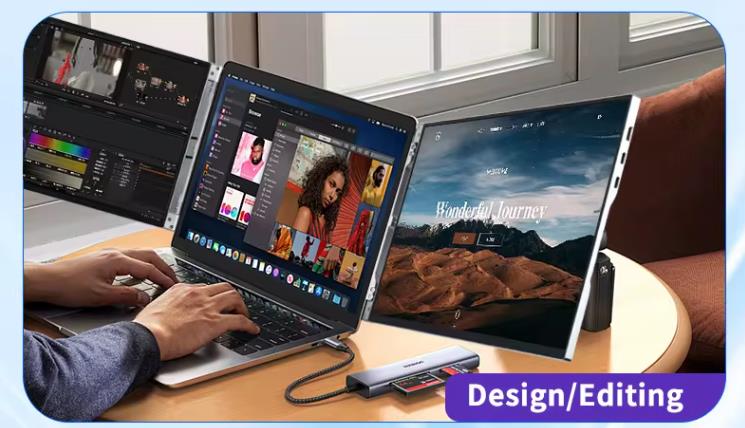
As the core device for information display and interaction, display screens are widely used in various fields such as personal, commercial, industrial, medical, and educational industries due to their high resolution, accurate color, and fast response speed. The following are typical use cases and specific application scenarios of display screens:
1. Personal consumption field smart TV Home theater: 4K/8K resolution display screen paired with HDR technology, providing an immersive viewing experience. Game entertainment: High refresh rate (above 120Hz) display reduces screen tearing and is compatible with console games such as PS5 and Xbox. Intelligent interaction: supports voice control, gesture recognition, and integrates streaming platforms such as Netflix and YouTube to achieve one-stop entertainment. Case: Samsung Neo QLED TV, LG OLED TV. computer monitor Office scenario: 4K display screens over 27 inches improve multitasking efficiency and support split screen display of documents, emails, and web pages. Professional design: Wide color gamut (such as Adobe RGB) display ensures color accuracy, suitable for photography, video editing, and graphic design. Esports scene: 240Hz high refresh rate+1ms response time display screen reduces latency and enhances competitive gaming experience. Case studies: Dell UltraSharp series, ASUS ROG Swift gaming monitor. Mobile device display screen Smartphone: OLED screen (such as Samsung Dynamic AMOLED) achieves high contrast, low power consumption, and supports HDR10+video playback. Tablet: Mini LED backlit display (such as iPad Pro) enhances brightness uniformity and is suitable for outdoor use. Wearable devices: Flexible AMOLED screens (such as Apple Watch Ultra) achieve curved design to enhance wearing comfort. Case: Super Retina XDR display on iPhone 15 Pro, Dynamic AMOLED 2X screen on Samsung Galaxy Tab S9.
2. Commercial and Retail Fields digital signage Shopping mall guide: dynamically display floor maps and brand locations, support touch interaction to query discount information. Advertisement playback: The ultra high definition display screen plays brand promotional videos in a loop to attract customers' attention. Menu display: The restaurant uses electronic ink screens or LCD screens to dynamically update dish prices and pictures, and supports multilingual switching. Case: Samsung QLED digital signage, LG Transparent OLED transparent screen (for window display). Conferencing and Collaboration Video conferencing: Smart conference tablets (such as Microsoft Surface Hub) integrate cameras, microphones, and displays, supporting remote whiteboard collaboration. Data dashboard: Large display screens are deployed in the enterprise lobby to display KPI indicators, market trends, or news information in real time. Case studies: Huawei IdeaHub, Cisco Webex Board. financial services Bank counter: Anti peeping display screen protects customer privacy while displaying transaction information or financial product recommendations. Stock Exchange: Giant LED display screens display real-time scrolling stock market trends and index changes, supporting multi screen splicing. Case: PanaVue Display System on NASDAQ Exchange.
3. In the field of education and training smart classroom Interactive teaching: Touch screen displays (such as Xiwo interactive smart tablets) support teachers to annotate courseware and students to operate on stage, enhancing classroom participation. Distance education: Dual screen display of teacher images and courseware content, supporting real-time Q&A and recorded playback. Case: Honghe Technology interactive tablet, Panasonic TH-65BF1LC educational projector (with electronic whiteboard). Virtual Simulation Laboratory teaching: Curved display screen simulates the cockpit or operating room environment, combined with VR equipment for skill training. History/Geography Teaching: The 8K display screen showcases details of cultural relics or Earth's landforms, supporting 360 degree rotation for observation. Case: CAVE immersive laboratory, Google Earth VR combined with large screen display. 4. Medical and health fields Operating room display 4K endoscope display screen: high-resolution display of surgical site details, supporting multi screen split display (such as endoscope, ultrasound, vital signs). Antibacterial design: The display screen surface is covered with an antibacterial coating, which meets medical environmental hygiene standards. Case: Sony HDC-P50 operating room camera with accompanying display screen and Barco medical grade display screen. Diagnostic assistance Imaging diagnosis: Grayscale display screens (such as the EIZO RadiForce series) accurately display X-ray, CT, and MRI images, and support DICOM calibration. Remote consultation: Doctors from multiple locations share patient images through high-definition displays for real-time discussions. Case: GE Healthcare's Centricity PACS system comes with a professional monitor. Patient Services Ward entertainment: The bedside display screen supports on-demand movies and music to alleviate patients' anxiety. Health education: The waiting area display screen plays disease prevention knowledge or surgical procedure animations. Case: Philips IntelliSpace ward information terminal. 5. Industrial and transportation sectors industrial control HMI human-machine interface: touch screen integrated with buttons, sliders and other controls, real-time monitoring of production line status (such as temperature, pressure). Outdoor applications: High brightness display screens (such as 1000cd/m ² or above) are suitable for strong light environments and display device operating data. Case studies: Siemens SIMATIC HMI, Advantech Industrial Tablet. transportation In car display: Curved OLED display screen (such as Mercedes Benz MBUX Hyperscreen) integrates dashboard, central control screen, and passenger entertainment screen. Aviation display: Head up display (HUD) projects flight data onto the windshield, enhancing the pilot's situational awareness. Subway/Airport: The PIS passenger information system display screen shows real-time train arrival time and flight status. Case: Tesla Model S Plaid's 17 inch center console screen and Boeing 787's HUD system. 6. Entertainment and Art Fields theme park Immersive experience: LED dome displays (such as TeamLab Boundless Art Museum) combine projection and interactive technology to create a space for light and shadow art. 4D cinema: seat vibration, water spray and other special effects are synchronized with the screen image to enhance the immersive experience of watching movies. Case: The LED tunnel display screen of Shanghai Disneyland's "Create Speed Light Wheel". stage performance Background visual effect: Transparent OLED displays (such as LG Flexible OLED) serve as stage backgrounds, presenting dynamic visual effects. Real time interaction: Capture actors' movements through the Kinect camera and trigger particle effects or scene switching on the screen. Case: Barco E2 display control system used in Beyonc é's concert. 7. Public safety and emergency response areas command center Data visualization: Multi screen splicing walls (such as LG UltraStretch displays) display real-time monitoring images, map trajectories, and alarm information. Emergency drill: 3D rendering of simulated disaster scenarios (such as fires and earthquakes) to assist in developing rescue plans. Case: The large screen display system of the Beijing Emergency Management Bureau Command Center. security surveillance Intelligent analysis: The display screen integrates AI algorithms to automatically mark abnormal behaviors (such as intrusion and loitering) and trigger alarms. Multi screen split display: supports synchronous display of 16 or more camera images, improving monitoring efficiency. Case: Hikvision's LED splicing screen monitoring system. 8. Environmental Protection and Energy Sector smart grid Dispatch Center: A giant display screen displays data such as grid load and power generation, supporting real-time dispatch operations. Wind power/photovoltaic monitoring: Remote display screens show equipment operating status, predict power generation efficiency, and optimize maintenance plans. Case: DLP splicing screen system of State Grid Dispatching and Control Center. environmental monitoring Air quality display: Outdoor LED screens release real-time data on PM2.5, CO ₂ concentration, etc., guiding the public to travel healthily. Water quality monitoring: Display screens along the river banks display indicators such as pH value and dissolved oxygen to assist in environmental law enforcement. Case: Air quality monitoring display screen of Beijing Environmental Protection Bureau. summary The core value of a display screen lies in information visualization and human-computer interaction, and its application scenarios cover a wide range of fields from personal entertainment to public services. With the development of technology, display screens are evolving towards higher resolution (8K+), greater flexibility (foldable/curled), and intelligence (AI driven). New display technologies such as Micro LED and quantum dot OLED, as well as deep integration with AR/VR and the Internet of Things, will further expand their innovative applications in medical, industrial, artistic and other fields.